I have guided on Lake Superior for fifteen years, and I have spent more mornings than I care to count staring into an open cooler doing the math on whether the ice will make it to Sunday. So when somebody asks me to compare camping coolers and ice packs, they usually expect a ranking. What they get instead is a sorting problem, because a hard cooler, a reusable ice pack, a work lunch box, and a replacement latch do four completely different jobs, and a failure in any one of them is enough to wreck a trip.
I have watched a cheap cooler turn eighty dollars of walleye into a warm, sad smell by noon. I have also watched a client's insulin ride in a box that stopped being cold somewhere around Friday afternoon, and that day changed how hard I test cold storage. The test I run starts at 6 AM Thursday: twenty pounds of ice per unit, a temperature log, and a lid that gets opened the way a real trip opens it, which is to say constantly. Three days later I know whether a cooler is honest or whether it is a brochure.
Related: How Ice Retention Actually Works On A Three Day Trip
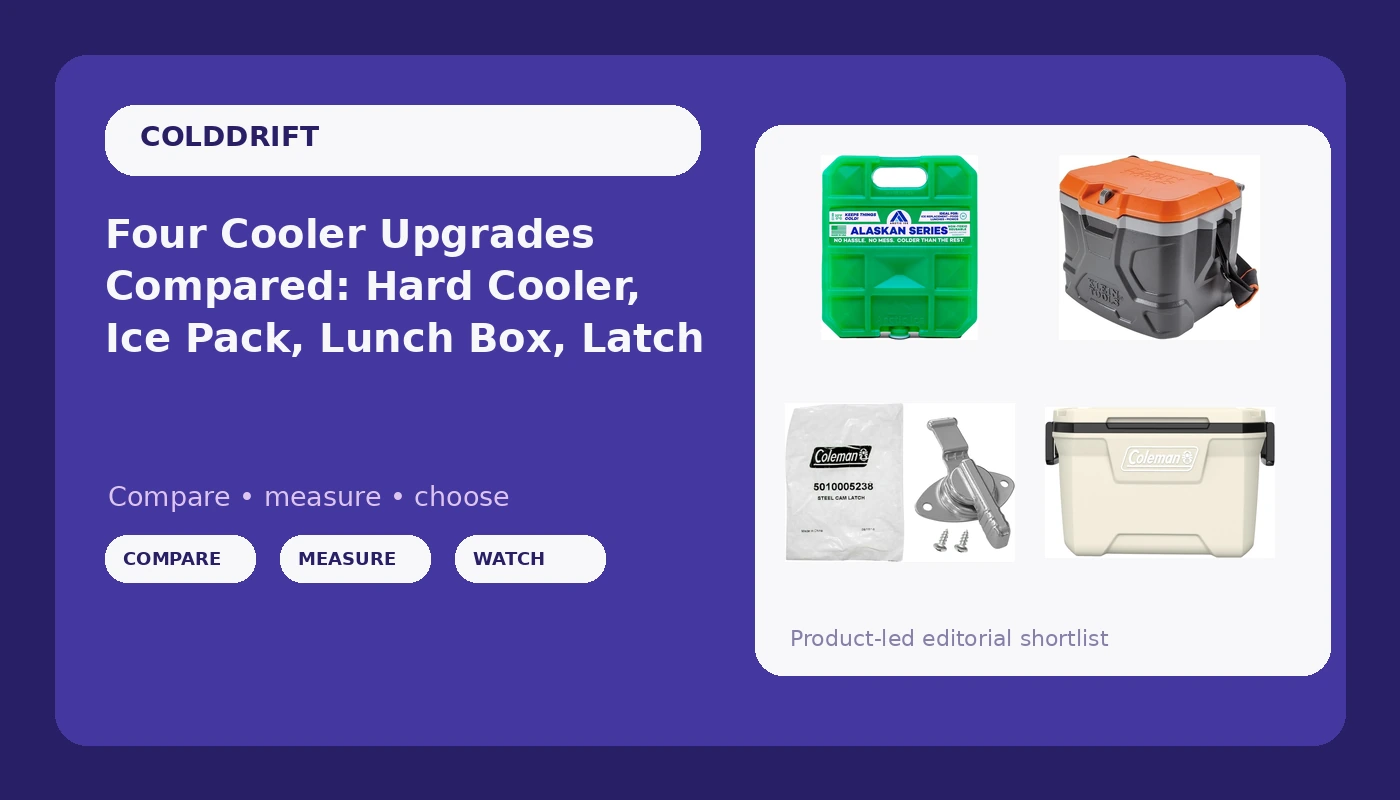
The best buy for most people here is the Coleman Classic Series hard cooler, paired with an Arctic Ice Alaskan Series pack as a second cold source, because that combination covers the whole trip instead of one afternoon of it. The Klein Tools 55600 is the right answer for a different question, and the Coleman Steel Cam Latch is not a cooler at all, which is exactly why it belongs in this comparison. Here is how all four hold up, and where each one loses ground.
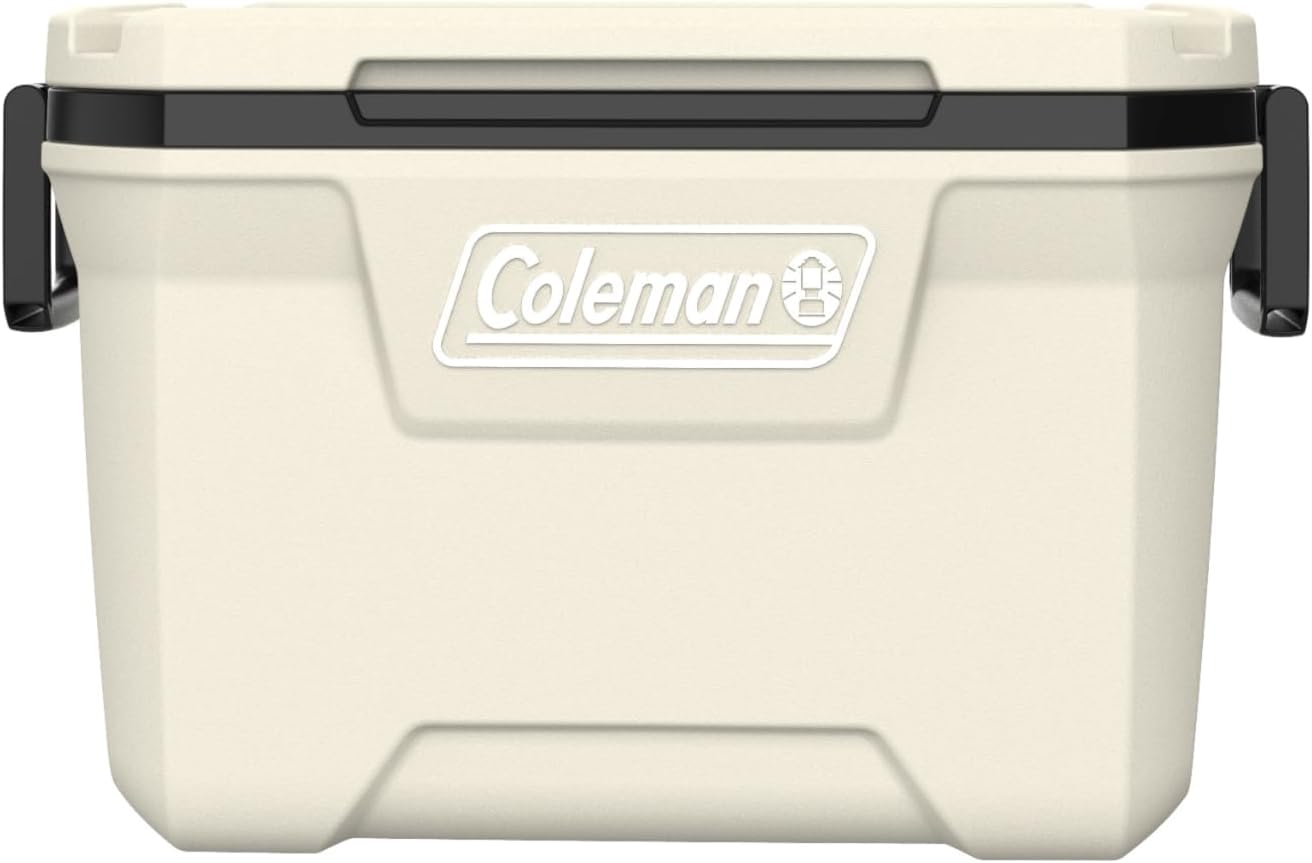
Coleman Classic Series Insulated Portable Cooler
The biggest box in this group, offered in 52, 70, 120, and 150 quart sizes, with a leak-resistant lid and the longest ice claim here at up to 5 days
That claim assumes a closed lid and a cold start, and the 120 and 150 quart sizes are two-person lifts once they are full
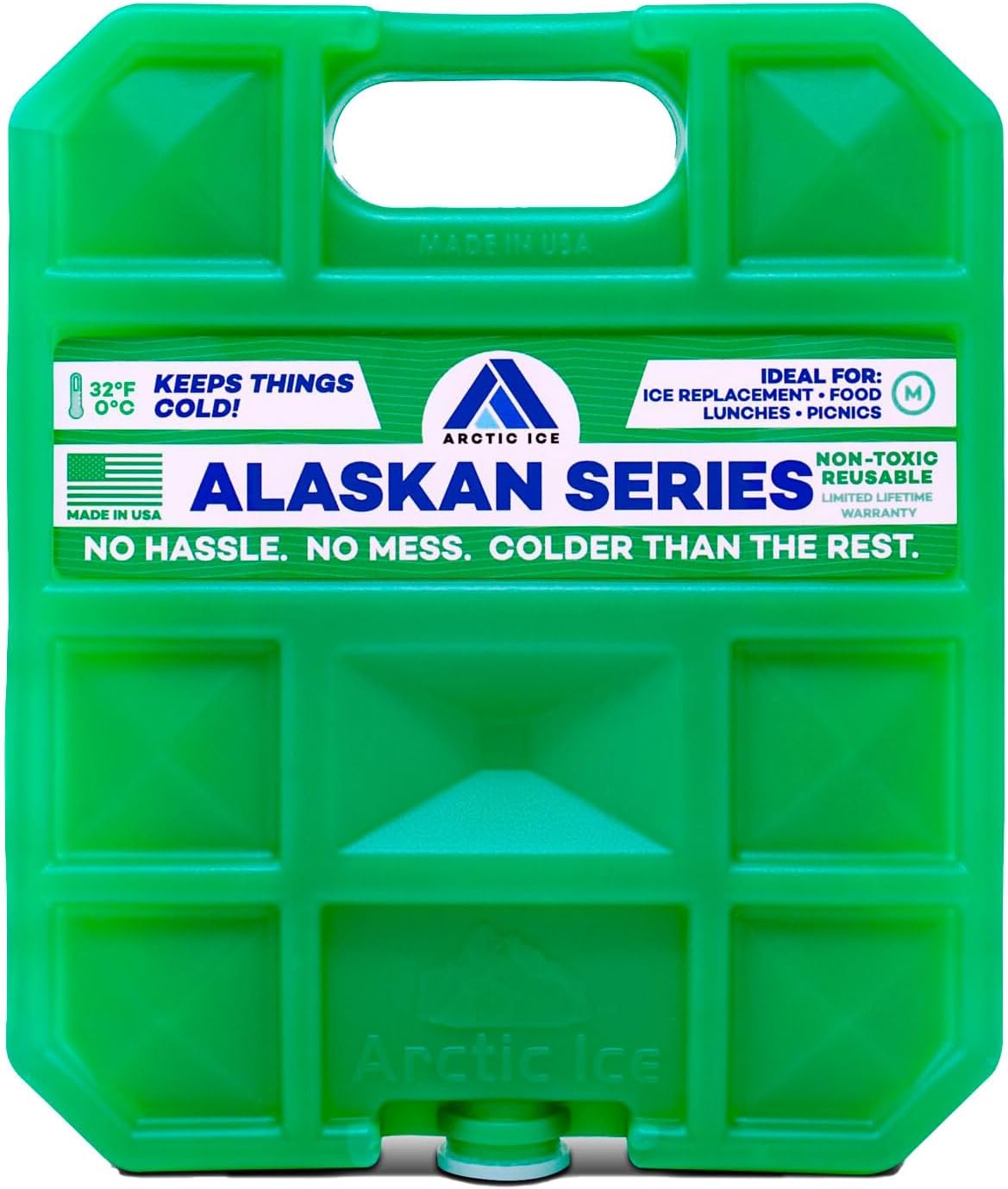
Arctic Ice Alaskan Series Reusable Ice Pack
Freezes at 32 degrees Fahrenheit, so it chills food and drinks without the risk of freezing them solid
It needs freezer space the night before, and it supplements block ice on a long trip rather than replacing it
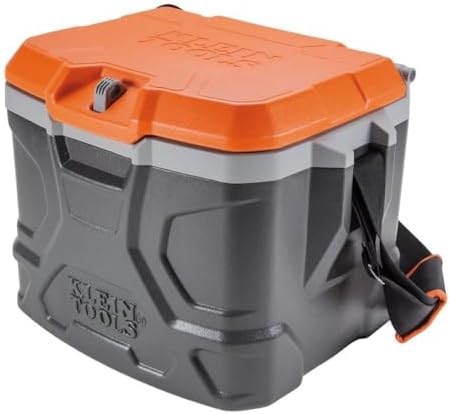
Klein Tools 55600 Work Cooler
17 quarts, 18 cans, 30 hours of cold, and a lid rated to seat 300 pounds, which makes it a seat and a step as well as a lunch box
It is a lunch box, and no lunch box is carrying a weekend of fishing
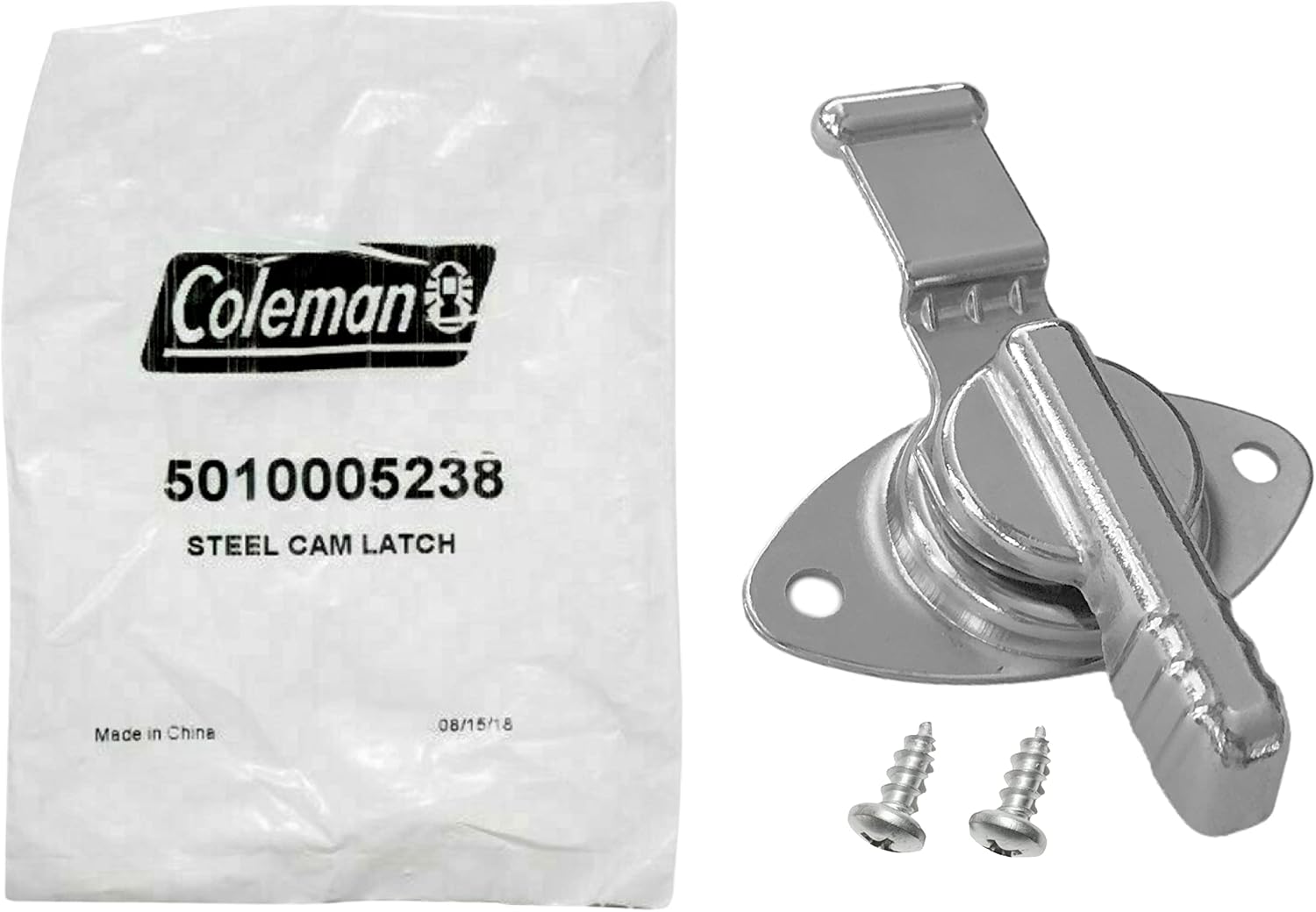
Coleman Steel Cam Latch
The cheapest way to save a cooler that is sound everywhere except the closure
Fit is model specific, and a new latch will not fix a warped gasket
Prices and availability were captured from Amazon Creators API and may change.
The four roles, and why I sort before I rank
A comparison like this only makes sense once you accept that these products are not competitors. One of them is the box the trip is built around. One is a cold source you put inside a box. One is a personal cooler that lives in a truck bed. One is a fifteen-dollar piece of hardware that keeps an older cooler out of the landfill.
If you are shopping for a single item and you are not sure which role you need, that is the actual problem to solve first. Buy the wrong role and you will spend a season annoyed at a product that is doing exactly what it was designed to do. My rule is simple: figure out how many days you need cold, how far you are carrying it, and who is lifting it. The answers pick the product for you.
Coleman Classic Series: the box the weekend runs on
This is the workhorse of the group. The Coleman Classic Series is an insulated hard cooler with a leak-resistant lid, and it comes in four sizes: 52, 70, 120, and 150 quarts. The ice claim on the label is up to 5 days, which is the longest number in this comparison and also the one you should read most carefully.
Five days is a spec-sheet number. It assumes you started with a cold box, packed it properly, and did not stand over it with the lid open while six people decided between water and a soda. In real use, with a family or a boat crew opening it all day, plan on that number shrinking. This is the same complaint I level at every brand that prints a big day count on the lid, and it is not a knock on this specific cooler so much as a warning about reading the label as a promise.
What I do like is the size range. A 52 quart is a realistic one-person carry when loaded. A 70 quart is the sweet spot for a two or three day trip with food and drinks. The 120 and 150 quart sizes are excellent stationary boxes for a base camp or a tailgate, and they are dock ornaments if you plan to move them full. A cooler you cannot lift when it is loaded is not doing you any favors, no matter how long it holds ice.
Where the Classic Series wins is price-to-capacity and the fact that every part of it is replaceable. Where it loses is refinement. This is an injection-molded box, not a rotomolded one, and it will not shrug off the abuse a premium box takes. If you are a weekend camper, a tailgater, or a boater who wants a big honest box without paying premium money, this is the pick. Visit on Amazon →
Arctic Ice Alaskan Series: the cold source that will not wreck your lunch
Most people treat ice packs as an accessory and then wonder why their sandwiches are soggy and their lettuce is frozen. The Arctic Ice Alaskan Series pack is built for the opposite problem. It freezes at 32 degrees Fahrenheit, which means it holds a stable cold temperature and keeps food and drinks cool without the risk of freezing them.
That matters more than it sounds. A standard blue pack pulled straight from a deep freezer will freeze whatever it touches, which is how you end up with a block of lunch meat and a bottle of water with an ice core. For a day cooler with sandwiches, produce, drinks, or anything you actually want to eat normally, a 32-degree pack is the smarter choice than loose ice.
The honest limits: it needs to be in a freezer overnight, and freezer space is the one thing a fishing guide's kitchen never has enough of. It also is not a block of ice. On a three day trip, I run block ice as the base and these packs as the top layer, because the packs are cleaner, they do not leave water in the bottom of the box, and they can be reused all season instead of bought again every Friday. Visit on Amazon →
Klein Tools 55600: a lunch box that does not pretend to be a cooler
I have a standing rule that if a "cooler" has cupholders molded into the lid, it is a lunch box and should be judged as one. The Klein Tools 55600 passes that test by not pretending. It is a 17-quart work cooler that holds 18 cans and keeps cool for 30 hours, and it is built as a tradesman's box rather than a camping box.
The spec that gets my attention is the lid rated to seat 300 pounds. That is not marketing filler on a job site. A box you can stand on, sit on, or use as a step to reach the truck bed earns its space in a way that a prettier cooler does not. The 17-quart size and 18-can capacity are right for one person's day, and 30 hours of cold covers a shift plus the drive home.
Where it loses is scope. This is not a trip cooler. It will not carry a weekend of food, it will not hold ice for three days, and if you show up at a campsite with it as your only box, you will be making a run for ice by Saturday morning. Buy it for what it is: the box that rides in the truck with lunch, drinks, and bait, and the one you can stand on while you rig a rod. Visit on Amazon →
Coleman Steel Cam Latch: the fifteen-dollar save
The gasket and the latches are the whole game. A cooler with a clean seal and latches that stay shut will beat a cooler with a better shell and a closure that pops open on a washboard road. I have watched a latch fail on a rough drive and turn a full box of ice into a puddle by the next morning, and I have also watched a sound box get thrown out over a broken piece of plastic that costs less than a sandwich.
That is the case for a steel cam latch. If your Coleman cooler is structurally fine, the seal is clean, and the only problem is a closure that no longer holds, a replacement latch is the cheapest possible fix. Steel instead of plastic is the right direction for anything that rides in a truck bed or a boat deck.
Two things I will not pretend about. First, fit is model specific, so check your cooler's model against the latch before you order, or you will be drilling holes in a good box for no reason. Second, a new latch does not fix a warped gasket. If the lid does not seal clean and cold, the latch is not your problem. Test the seal by closing a dollar bill in the lid and pulling it out at several points around the rim. If it slides out with no resistance anywhere, replace the cooler, not the hardware. Visit on Amazon →
The trade-offs worth naming out loud
Capacity and portability fight each other, always. The bigger the Classic Series box you buy, the longer it holds cold and the less you want to carry it. Buy for the size you will actually load and lift, not the size that looks impressive on the spec sheet.
Ice packs and ice are not interchangeable. Packs are cleaner, reusable, and gentler on food. Ice is denser, cheaper, and drains away as it melts. The best setup I run is both, block ice at the bottom and 32-degree packs above it.
A work cooler cannot scale up and a trip cooler cannot scale down. The Klein Tools box is perfect for a shift and wrong for a weekend. The Coleman Classic is right for a weekend and overkill for a lunch.
And a repair part is only a repair part. Buying a latch does not upgrade a cooler, it rescues one. That is still a good deal, but only if the rest of the box is worth saving.
How I would spend the money
For a day trip with food and drinks, buy the Klein Tools 55600 and one Arctic Ice pack. That is a truck box that holds cold for a shift, sits 300 pounds, and does not freeze your lunch.
For a weekend of camping or fishing, buy the Coleman Classic Series in the size you can lift, a bag of block ice, and two Arctic Ice packs for the top layer. That covers the trip without a mid-weekend ice run.
For a cooler you already own with a closure that will not hold, buy the steel cam latch, verify the fit first, and check the gasket before you spend anything. If the seal is shot, the latch is money into a box that is already lying to you.
What I am testing next
I am three weeks into the fall ice retention run, nine units, twenty pounds of ice each, and a temperature log that starts at 6 AM Thursday and ends Sunday night. The interesting question this round is not which box wins, it is how much of the gap between a budget injection-molded cooler and a rotomolded one actually shows up in the log once the lid gets opened like a real trip opens it. I will publish the numbers, including the ones that make a couple of expensive boxes look silly, when the last log closes.